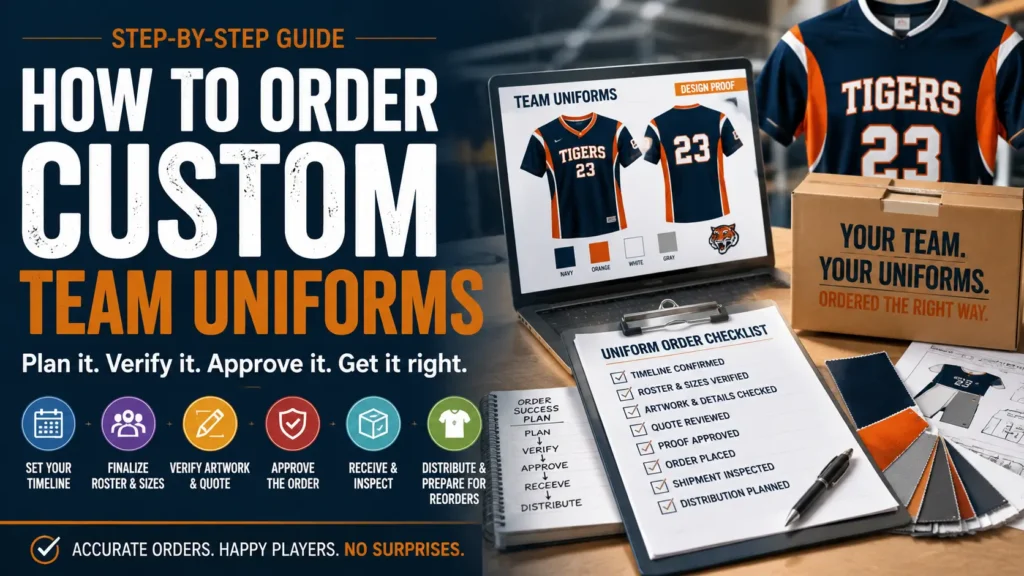
10 Steps to Planning, Ordering and Verifying
Custom Team Uniform Orders
From our last article showing you how to choose uniforms for your organization, once your organization has chosen its uniforms, the job changes. The question is no longer what to buy. Now you have to turn dozens of individual details—sizes, names, numbers, artwork, quantities, deadlines, and approvals—into one accurate order.
This is where small mistakes become expensive. One incorrect jersey number may affect a single player. A missed production deadline can affect the entire team. A roster spreadsheet that was never checked against the final proof can create problems that are difficult to fix once production begins.
A good ordering process gives every important detail a place to be recorded, checked, and approved. The steps below take you from the initial deadline through delivery, inspection, distribution, and future reorders.
Key Takeaways
- Set an internal deadline earlier than the date the supplier needs your final information.
- Use one verified roster as the source for names, numbers, sizes, and quantities.
- Do not treat the design proof as a formality. Check it against your order records before approval.
- Inspect the complete shipment before distributing uniforms to players.
- Keep the final order information after the season starts. You will need it if a replacement or reorder comes up.
At a Glance: The Uniform Ordering Process
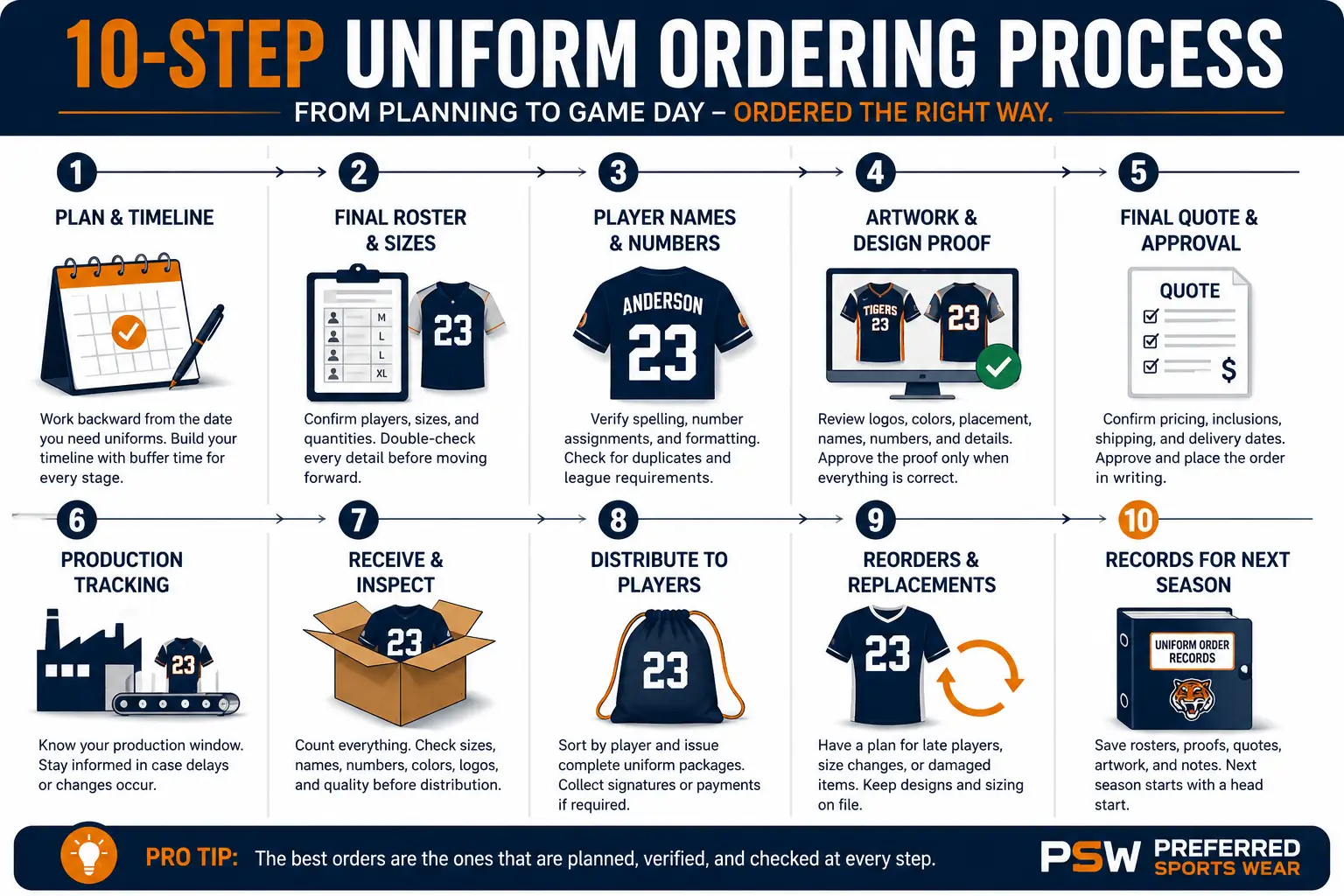
Set Your Order Timeline
Work backward from the date players need their uniforms and leave time for proofing, production, shipping, and inspection.
02Finalize Roster & Sizes
Verify every player’s garments, sizes, name, number, and quantity before the order reaches the supplier.
03Verify Artwork & Final Quote
Confirm that the artwork, garment package, quantities, customization, and final price all describe the same order.
04Approve the Final Order
Compare the supplier’s final documents against your master order records before authorizing production.
05Receive & Inspect the Shipment
Count and inspect the complete shipment before uniforms are distributed to players.
06Distribute & Prepare for Reorders
Organize player packages and preserve the records needed for replacements, late players, and future orders.
 Work Backward From the Date Players Need Their Uniforms
Start with the date the uniforms must actually be ready for players. That may be the first game, team photo day, tournament departure, school event, or another firm deadline. The delivery date should come before that point, not land on it.
Allow time after delivery to count the shipment, inspect the garments, sort individual orders, and resolve anything that is missing or incorrect. A box arriving the afternoon before the first game leaves almost no room to fix a problem.
From there, work backward through shipping, production, final proof approval, artwork preparation, sizing, and roster collection. Ask the supplier which dates are estimates and which dates they are prepared to commit to.
Build some margin into your own schedule as well. Players turn forms in late. Parents change sizes. Sponsor artwork arrives in the wrong format. A number may already be assigned to someone else. Those delays are easier to absorb before the order reaches production.
Do Not Use the Supplier’s Deadline as Your Team Deadline
If the supplier needs final sizes and artwork on Friday, your players should not have until Friday to provide them. Set an earlier internal cutoff so there is time to find missing information and verify the completed order.
Build the Order From a Final Roster
Create one working roster for the uniform order rather than collecting information through several unrelated texts, emails, paper forms, and spreadsheets.
At minimum, each player’s record should contain the name used for the order, uniform number if applicable, garment type, size, and quantity. Add optional items or special instructions in clearly identified fields rather than relying on notes that someone has to interpret later.
Confirm how many complete uniforms are required and whether the organization is ordering extras. If coaches, goalkeepers, captains, staff members, or other participants receive different garments, separate those requirements clearly.
Do not submit the order immediately after the last player responds. That is the point when the roster should be checked for missing sizes, duplicate numbers, spelling inconsistencies, and quantities that do not match the number of players.
Collect Sizes Using the Exact Garments Being Ordered
The sizing process should have been established while choosing the uniforms. During ordering, the priority is making sure those decisions are recorded accurately.
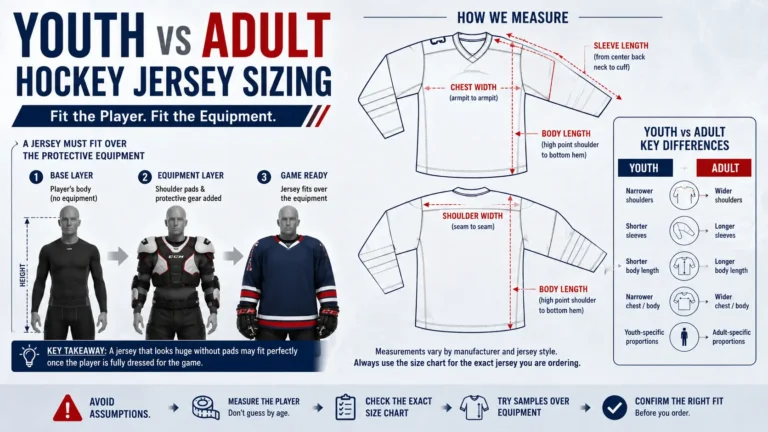
Use the supplier’s size chart for the specific garment or the results of your fitting session. Avoid converting the final list back into assumptions such as “he normally wears a large.” Once a player has selected a size using the correct uniform information, record that exact size on the order roster.

If the package includes several garments, confirm whether the same player needs the same size in each piece. A jersey, shorts, warm-up jacket, and practice shirt do not necessarily use identical sizing.
Before submitting the list, look for blank fields and unusual entries. A single youth size mixed into an adult roster may be correct, but it deserves a quick check before production.
Verify Player Names and Uniform Numbers Together
Names and numbers create another opportunity for small data errors to become permanent customization errors.
Decide how names should appear before collecting them. If the uniform uses surnames, establish whether punctuation, spaces, hyphens, suffixes, or accented characters need special attention. Do not shorten or change a player’s requested name simply to make the spreadsheet look consistent.
Check numbers for duplicates where the sport or organization requires unique numbers. Also confirm whether the supplier needs numbers entered in a particular format.
Then verify the player record as a whole: player → garments → sizes → number → name. Checking each column independently can miss a situation where all the information is correct but has been assigned to the wrong player.
Use One Source of Truth
Once the roster has been verified, designate that version as the final order record. If a change is approved afterward, update the master record rather than keeping the correction in a separate message or handwritten note.
Finalize the Artwork Before Production
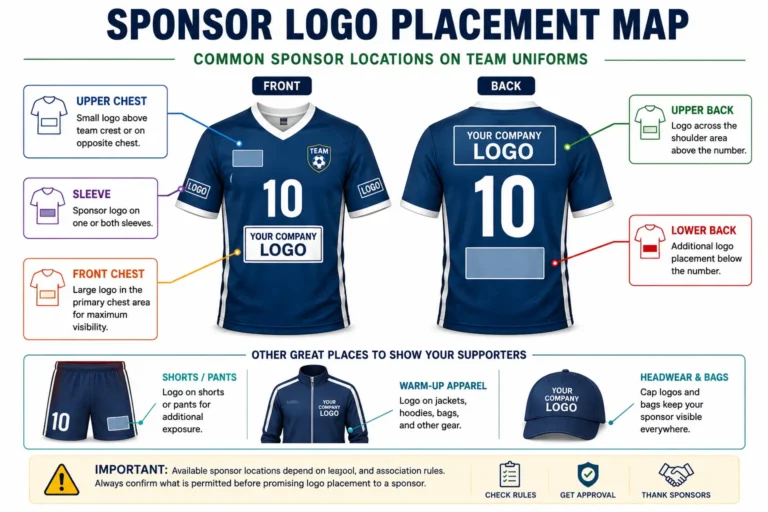
The supplier needs more than a general description of how the uniforms should look. Confirm the approved logo files, team colors, player-number style, name treatment, sponsor marks, and placement of each design element.
Use the correct version of each logo. Schools, clubs, and sponsors often have several files in circulation, including old versions, low-resolution images, and graphics pulled from websites or social media. If the organization has official brand files, provide those rather than asking the supplier to recreate them from a screenshot.
Check sponsor requirements before approving placement or colors. The sponsor may have rules governing its logo, and the team may have league restrictions governing where commercial marks can appear.
Make Sure the Final Quote Matches the Final Order
A quote prepared earlier in the process may no longer represent what the team is ordering. Quantities may have changed. Players may have added personalization. The design may use a different decoration method or additional locations.
Before paying a deposit or authorizing production, compare the final quote with the final roster and garment package. Confirm what is included in the price and identify shipping, taxes, setup charges, artwork fees, rush charges, or other costs that are billed separately.
If something on the quote is unclear, resolve it before approval. Our guide to hidden team uniform costs covers charges worth checking when comparing the final order price.
Treat the Design Proof as a Final Inspection
The proof is one of the last opportunities to catch a mistake before it becomes part of the finished uniform.
Compare it with the order records rather than checking it from memory. Review garment colors, logo versions, logo placement, sponsor marks, number style, player names, spelling, and any other customized details shown.
If the supplier provides individual player proofs or a roster proof, compare those details directly with your verified roster. Do not assume the supplier will recognize a duplicate number, misspelled surname, or size that was entered incorrectly on information your organization supplied.
Approval Changes the Risk
Once a custom order is approved for production, corrections may become difficult, expensive, or impossible. Know exactly what you are approving and keep a copy of the approved proof.
Run One Final Check Before You Approve the Order
By final approval, the creative decisions should be finished. This is a verification step.
Compare the supplier’s final documents with your master order record. Confirm the total number of garments, individual sizes, player names and numbers, colors, logos, sponsor artwork, decoration locations, pricing, shipping information, and expected delivery.
If more than one person has authority over the purchase, establish who gives final approval. Multiple people sending separate corrections to the supplier creates another source of conflicting instructions.
Keep the approved quote, roster, artwork, proof, invoice, and written delivery information together. If a question comes up later, you should be able to see what was ordered and what the supplier agreed to produce.
Know What Happens After Production Starts
Ask the supplier what communication you should expect between approval and delivery. Some companies provide production updates or shipment tracking; others contact customers only when the order ships.
Confirm the expected production window and how you will be notified if the schedule changes. If the uniforms are tied to a tournament, opening game, photo day, or other fixed event, make sure the supplier knows which date actually matters.
Avoid unnecessary changes after approval. Adding a late player or changing artwork may affect production or require a separate order. When a change is unavoidable, ask the supplier to explain the effect on price and delivery before authorizing it.
If your schedule is already tight, our guide to rush uniform orders and backup planning discusses the tradeoffs and contingency planning involved when a normal production window is no longer available.
 Inspect the Shipment Before You Hand Anything Out
A delivery is not the end of the ordering process. It is the point where the physical uniforms can finally be checked against the records used to order them.
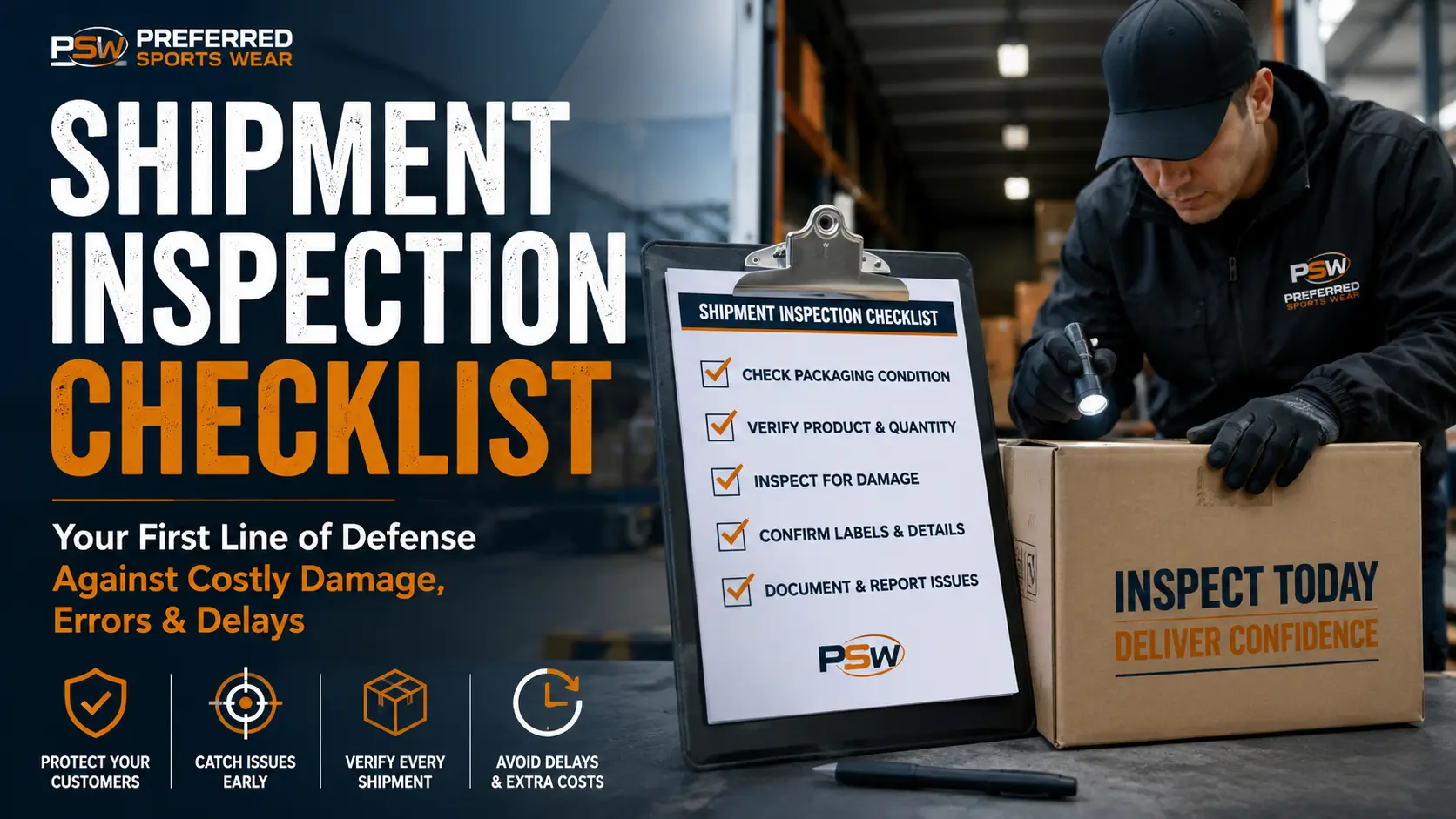
Open the shipment in an organized area and keep the packaging until the initial inspection is complete. Count the garments and compare the totals with the packing slip and your order record.
Then check the customized details. Verify names, numbers, sizes, garment types, colors, logos, and decoration. Look for obvious manufacturing defects, damage, printing or stitching problems, and items that do not match the approved proof.
For larger orders, checking one player’s complete package at a time can be easier than inspecting all jerseys, then all shorts, then all other garments. The goal is to confirm that each player has the correct pieces before anything is distributed.
If you find a problem, document it immediately. Take clear photographs, record the affected player or item, keep labels and packaging where relevant, and contact the supplier using the procedure specified in its policy.
Count, Check, Then Distribute
Once uniforms are handed to dozens of players, it becomes harder to determine whether an item was missing from the shipment, placed in the wrong package, exchanged between players, or lost afterward.
Sort the Uniforms Before Distribution
After the order has passed inspection, organize the garments by player or another system that fits the team. For individualized uniforms, grouping each player’s complete package together reduces confusion during pickup.
If players or parents must sign for issued equipment, collect payments, or return older uniforms, handle those requirements as part of the same distribution process rather than trying to reconstruct the information afterward.
Keep any spare uniforms separate from the player packages and record what remains in inventory. An extra jersey is much more useful when someone knows its size, number, and location.
Have a Process for Late Players and Replacements
Even a perfectly managed initial order will not eliminate reorders. Players join late, garments are lost or damaged, sizes change, and additional staff or teams may need apparel.
Use the reorder information you collected when choosing the supplier. Confirm the product, design, size, player details, current price, minimum quantity, and expected turnaround rather than assuming the terms from the original order still apply.
If the original product is no longer available, compare the proposed replacement carefully before ordering it. Similar product names or colors do not guarantee that the new garment will match the existing uniforms.
Keep the Order Records for Next Season
Do not let the uniform project disappear into one coach’s inbox when the season ends.
Keep the supplier contact information, product names or numbers, final artwork, approved proof, sizing information, roster, costs, order date, delivery date, and notes about problems or reorders in a location the organization can access later.
Those records give next season’s organizer a starting point. They also show which parts of the process worked and which decisions should be changed before the next uniform cycle begins.
Ordering records are particularly useful when an organization uses the same supplier or design for several seasons. Instead of rebuilding the project from memory, the next order can begin with verified information from the previous one.
Frequently Asked Questions About Ordering Team Uniforms
How early should a team order custom uniforms?
Lead times vary by supplier, garment, season, customization, and shipping method. Ask for the current production estimate before committing, then work backward from the date players need the uniforms and leave additional time for proofing, shipping, inspection, and unexpected delays.
When should we collect player sizes?
Collect final sizes after the exact garment and sizing method have been established but early enough to verify the roster before the supplier’s order deadline. Avoid collecting sizes months in advance if youth players are likely to grow before the order is placed.
Who should approve the final uniform order?
One clearly identified person should normally communicate final approval to the supplier after any required internal approvals have been obtained. This reduces the chance of conflicting instructions coming from several coaches, parents, or administrators.
What should be checked on a uniform proof?
Check colors, logos, sponsor marks, names, numbers, spelling, fonts or number styles, placements, and other customized details. Compare the proof directly with the verified roster and design information rather than checking it from memory.
What should we do if a player joins after the order is submitted?
Contact the supplier before assuming the player can simply be added. If production has already started, adding the player may affect the schedule or require a separate reorder. Confirm the price, minimum quantity, and expected delivery before making the change.
What should we do when the uniforms arrive?
Count and inspect the complete shipment before distribution. Compare the garments with the order record and approved proof, document any problems, and contact the supplier promptly if something is missing, damaged, or incorrect.
What uniform information should we save?
Keep the final roster, sizes, player numbers, supplier information, product details, artwork, approved proof, invoice, costs, order dates, delivery information, and notes about any problems or reorders.
Ordering Is Easier When the Buying Decisions Are Already Settled
The ordering process should not be the stage where your organization is still debating fabrics, uniform packages, decoration methods, or which supplier to use. Resolve those choices first so the order itself becomes a controlled process of collecting, checking, approving, and tracking information.
If your team has not reached that point yet, start with our guide to choosing custom team uniforms for your organization. It covers the decisions that should be made before the ordering process begins.
Useful Resources While You Prepare the Order