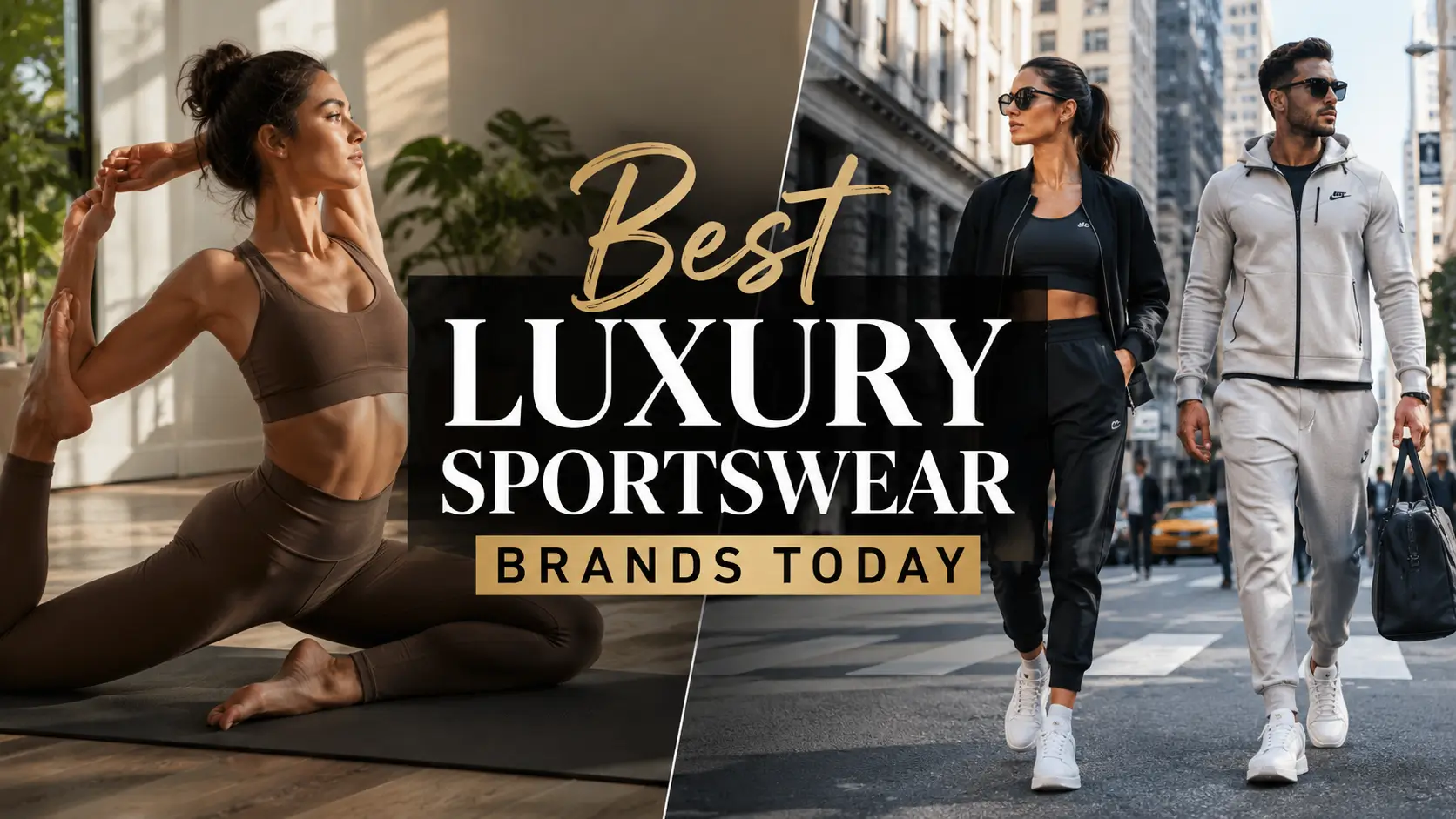
Luxury sportswear is no longer limited to the gym. Premium activewear now moves between workouts, travel, casual offices, restaurants, airports, and everyday errands without looking out of place.
That shift has created a broad category that includes performance-focused athletic companies, fashion-driven activewear labels, heritage sports brands, and brands built around the studio-to-street lifestyle.
The best luxury sportswear brand depends on what you actually want from the clothing. Some brands put performance first. Others emphasize fashion, versatility, streetwear, or polished everyday styling.
This guide compares several prominent luxury and premium sportswear brands, explains what distinguishes them, and looks at the trends shaping modern athleisure.
✔️ Key Takeaway
Do not choose luxury sportswear by price or brand recognition alone. Start with how you expect to wear it—training, yoga, travel, casual wear, streetwear, or a combination—then compare fit, fabric, performance features, versatility, construction, and style. A premium label provides better value when the clothing actually earns a regular place in your wardrobe.
At A Glance
01
Premium Activewear
Alo Yoga, Lululemon, and Splits59 emphasize fitness, studio use, comfort, and clothing that transitions easily into everyday wear.
02
Fashion-Focused Sportswear
Tory Sport brings stronger fashion, color, pattern, and classic sports influences to the premium activewear category.
How Luxury Sportswear Became Mainstream
Athleisure changed the way people think about athletic clothing. Instead of keeping separate wardrobes for workouts and everyday life, shoppers increasingly began looking for clothing that could move between both.
Leggings, joggers, hoodies, performance tops, lightweight jackets, and sneakers became everyday wardrobe staples because they combined comfort with a more polished appearance than traditional gym clothes.
Luxury and premium sportswear grew naturally from that shift. Brands began paying more attention to fabric feel, silhouette, construction, color, styling, and the ability to wear the same garment in several settings.
The category now covers everything from yoga and studio apparel to tennis-inspired fashion, technical training clothing, retro sportswear, travel apparel, and streetwear.
What Defines a Luxury Sportswear Brand?
Price alone does not define luxury sportswear.
A premium brand normally combines several elements: distinctive styling, better materials or construction, recognizable design language, thoughtful fit, and enough versatility or performance to justify the higher price.
Some brands concentrate heavily on technical performance. Others place more emphasis on fashion, lifestyle wear, or the ability to transition between exercise and everyday settings.
The strongest brands usually have a clear point of view rather than trying to serve every shopper equally.
Several of the most recognizable premium activewear brands have built their identity around the transition from exercise to everyday life.
Premium Activewear Brands
Alo Yoga
Alo Yoga is closely associated with studio-to-street activewear. Its collections emphasize clean styling, fitted silhouettes, coordinated sets, and clothing that works for yoga, studio workouts, travel, and casual daily wear.
The appeal is not limited to workout performance. Many pieces are designed to look polished enough to remain part of an outfit after the workout is over.
Best suited for: Yoga, Pilates, studio workouts, travel, casual outfits, and shoppers who prefer a modern minimalist look.
Lululemon
Lululemon helped establish premium activewear as an everyday clothing category rather than simply gym apparel.
The brand is known for leggings, joggers, training apparel, running clothing, hoodies, outerwear, and other pieces designed around comfort and movement.
Its strength is versatility. Many products can move between training, travel, work-from-home routines, errands, and casual wear without appearing obviously gym-specific.
Best suited for: Training, yoga, running, travel, everyday activewear, and shoppers looking for versatile performance clothing.
Splits59
Splits59 combines workout apparel with a more fashion-oriented silhouette. The brand emphasizes fitted activewear, coordinated pieces, and styling that works both inside and outside a studio environment.
It occupies a useful middle ground for shoppers who want clothing designed for movement without giving up a sleek, fashion-conscious appearance.
Best suited for: Studio workouts, fitness classes, everyday activewear, and shoppers who prefer fitted, fashion-forward styling.
Other brands lean more heavily toward fashion, using athletic clothing as the starting point rather than the final destination.
Fashion-Focused Luxury Sportswear
Tory Sport
Tory Sport approaches activewear through a fashion lens. The line draws from tennis, golf, running, classic American sportswear, and retro athletic styling.
Color, pattern, trim, and silhouette play a larger role than they do in many purely technical athletic collections.
This makes the brand particularly relevant for shoppers who want clothing that references sport while still feeling styled and deliberate enough for everyday wear.
Best suited for: Tennis-inspired looks, golf, casual luxury, travel, and shoppers who prioritize polished styling.
Major athletic companies also participate in premium sportswear through performance lines, lifestyle collections, collaborations, and heritage products.
Heritage Sports Brands With Premium Appeal
Nike
Nike is primarily a global athletic brand rather than a dedicated luxury label, but premium performance collections, limited releases, collaborations, footwear, and lifestyle products place parts of the brand firmly within the higher-end sportswear market.
Nike’s strength is its connection between athletic performance and cultural influence. Running, training, basketball, lifestyle sneakers, and sportswear frequently overlap within the same brand ecosystem.
Best suited for: Performance-focused shoppers, running, training, sport-inspired streetwear, sneakers, and people who value recognizable athletic branding.
Adidas Originals
Adidas Originals focuses more heavily on heritage and lifestyle than technical competition apparel.
Tracksuits, sneakers, logo pieces, retro silhouettes, and archive-inspired designs connect classic athletic clothing with modern streetwear.
The result is sportswear that often works better as everyday fashion than as specialized training apparel.
Best suited for: Streetwear, casual outfits, retro athletic style, travel, and shoppers drawn to classic sports branding.
The brands overlap, but they do not all solve the same problem. Comparing them by intended use makes the differences easier to see.
Which Luxury Sportswear Brand Fits Your Style?
| Brand | Best Known For | Style | Best For | Performance | Everyday Wear | Fashion Appeal |
|---|---|---|---|---|---|---|
| Alo Yoga | Studio-to-street activewear | Modern, minimalist | Yoga, studio, travel, casual wear | High | Very High | Very High |
| Lululemon | Versatile premium activewear | Clean, functional | Training, running, travel, everyday wear | Very High | Very High | High |
| Tory Sport | Fashion-inspired sportswear | Preppy, polished | Tennis, golf, casual luxury | Moderate to High | Very High | Very High |
| Nike | Performance and sport culture | Athletic, contemporary | Running, training, sport, streetwear | Very High | High | High |
| Splits59 | Fashion-forward workout apparel | Sleek, fitted | Studio workouts, fitness, casual wear | High | High | High |
| Adidas Originals | Retro athletic streetwear | Classic, casual | Streetwear, travel, everyday outfits | Moderate | Very High | Very High |
How Streetwear Changed Luxury Sportswear
Streetwear changed the relationship between athletic clothing and luxury fashion.
Hoodies, sneakers, tracksuits, oversized silhouettes, logo-heavy pieces, and casual athletic garments became part of fashion rather than remaining separate from it.
Dapper Dan played an important role in demonstrating how luxury imagery and street fashion could intersect through custom designs associated with hip-hop culture.
Later collaborations between established luxury houses and streetwear brands reinforced the same idea: athletic and casual clothing could carry exclusivity, cultural value, and fashion status.
That influence can still be seen in premium sportswear today, particularly in sneakers, tracksuits, oversized outerwear, retro designs, and logo-driven pieces.
Trends Shaping Luxury Activewear
Oversized Essentials
Relaxed hoodies, wide-leg pants, oversized sweatshirts, and loose jackets have become common across premium sportswear collections.
The appeal comes from comfort and versatility. Better fabrics and more deliberate cuts can make relaxed clothing look intentional rather than unfinished.
Functional Details
Premium sportswear increasingly needs to do more than look good.
Pockets, stretch panels, moisture management, breathable fabrics, adjustable waistbands, layering systems, and weather protection can determine whether a garment actually works for training, travel, or everyday use.
Retro Athletic Style
Track jackets, varsity details, tennis skirts, heritage sneakers, vintage running silhouettes, and classic logos continue to influence sportswear.
Retro design works particularly well in this category because sports brands already have decades of athletic archives to draw from.
Studio and Dance Influences
Bodysuits, fitted tops, leggings, wrap layers, and other studio-inspired silhouettes continue to cross into everyday fashion.
These pieces reinforce one of the defining characteristics of modern sportswear: clothing originally associated with a specific activity can become part of a broader lifestyle wardrobe.
Luxury Sportswear Buying Priorities
A premium price should not prevent you from evaluating the clothing the same way you would evaluate any other sportswear purchase.
Start with intended use.
If the garment will be used primarily for training, prioritize fit, movement, moisture management, breathability, construction, and durability.
If it will be worn mainly for travel or everyday life, comfort, versatility, pockets, layering, fabric feel, and styling may matter more.
If fashion is the main reason for buying, silhouette, color, design identity, and how easily the garment fits into your existing wardrobe deserve more attention.
| Buying Priority | What to Check |
|---|---|
| Fit | Does the garment move comfortably without pulling, slipping, or restricting movement? |
| Fabric | Does the material suit training, travel, casual wear, or the intended climate? |
| Construction | Do seams, zippers, waistbands, pockets, and other details feel durable? |
| Performance | Are moisture management, stretch, breathability, or weather protection actually needed? |
| Versatility | Can the piece realistically be worn in more than one setting? |
| Care | Does the garment require special washing, drying, or storage? |
| Value | Will you wear it often enough to justify the premium price? |
Does Paying More Mean Better Sportswear?
Not automatically.
A higher price may reflect better materials, more complex construction, smaller production runs, design, branding, marketing, or exclusivity. Those factors do not guarantee that the garment will fit better or perform better for your needs.
A premium purchase provides stronger value when the garment fits properly, performs as expected, withstands regular use, and can be worn often enough to justify the cost.
A recognizable logo may be part of why you want the item, but it should not be the only reason.
What the Future Holds for Luxury Sportswear
The category is likely to remain centered on versatility.
Consumers increasingly expect clothing to work across several parts of the day rather than serving one narrowly defined purpose. That encourages brands to continue refining fabrics, construction, fit, layering, comfort, durability, and styling.
The distinction between athletic wear and casual clothing is therefore likely to remain increasingly blurred.
Luxury sportswear is no longer simply clothing worn around exercise. It now covers movement, travel, work, errands, social settings, and personal style.
Frequently Asked Questions About Luxury Sportswear Brands
What is luxury sportswear?
Luxury sportswear is athletic or active-inspired clothing that combines premium materials, refined styling, higher-end construction, strong brand identity, or performance features with clothing designed to work beyond traditional sports settings.
Is Lululemon considered luxury?
Lululemon is generally better described as a premium activewear brand. Its higher prices, proprietary fabrics, recognizable brand identity, and emphasis on versatile athletic clothing place it within the broader luxury and premium sportswear conversation.
What are some popular premium sportswear brands?
Alo Yoga, Lululemon, Tory Sport, Nike, Splits59, and Adidas Originals represent different parts of the premium sportswear market, ranging from studio activewear and training apparel to fashion-focused and streetwear-influenced collections.
What is the difference between sportswear and luxury sportswear?
Traditional sportswear primarily emphasizes athletic use, comfort, and performance. Luxury or premium sportswear usually adds stronger fashion positioning, premium materials or construction, brand identity, and greater emphasis on wearing the clothing outside athletic settings.
Why is athleisure so popular?
Athleisure allows the same clothing to work for several parts of everyday life. Comfort, flexibility, easy layering, and the ability to move between exercise, travel, errands, and casual settings make it practical for many wardrobes.
Is expensive activewear worth it?
It can be when the garment fits well, performs appropriately, holds up to regular use, and is worn frequently. A high price alone does not guarantee better value.
Choose Luxury Sportswear by How You’ll Actually Wear It
The luxury sportswear category is broad enough that there is no single brand that will be best for every shopper.
Alo Yoga, Lululemon, and Splits59 lean toward premium activewear and studio-to-street versatility. Tory Sport brings a stronger fashion perspective. Nike combines athletic performance with lifestyle influence, while Adidas Originals draws heavily from heritage sportswear and street style.
The right choice depends on what matters most to you: training performance, comfort, travel, everyday versatility, fashion, brand identity, or a combination of those priorities.
Luxury sportswear provides the most value when it does more than carry a premium label. It should fit properly, feel good, suit the activity, and be useful often enough to justify its place in your wardrobe.