Most Popular Sports Jerseys in North America: A Guide for Teams and Fans
Sports jerseys are more than fan clothing. They represent teams, schools, cities, leagues, athletes, and entire communities. Whether someone is wearing an NFL jersey on game day, a hockey sweater at the rink, a baseball jersey in the summer, or a custom soccer jersey for a local tournament, the jersey says something about identity.
In North America, jerseys are some of the most recognizable pieces of sports related clothing. Football, hockey, baseball, basketball, and soccer all have distinct jersey styles, and each one serves a different purpose. Some are built to help athletes perform better. Some are worn mostly by fans just for fun and to support their favorite teams. Others are designed for schools, youth teams, adult recreation leagues, and community organizations that need custom team jerseys in bulk. This guide looks at the most popular sports jerseys in North America and explains what makes each style different.
It also covers what coaches, team managers, schools, and organizations
should consider before ordering custom jerseys or sports team uniforms.
Key Takeaways
- Sports jerseys build identity. Jerseys help players, fans, schools, and communities feel connected to a team.
- The most popular jersey styles vary by sport. Football, hockey, baseball, basketball, and soccer jerseys each have their own fit, fabric, and purpose.
- A good team jersey needs more than a logo. Fit, comfort, durability, fabric, and decoration method all matter.
- Custom team jerseys require planning. Teams should confirm sizes, artwork, deadlines, player names, numbers, and reorder needs before placing an order.
- The best jersey orders are built around real use. A youth soccer team, school basketball team, hockey club, and fan store may all need different jersey options.
What Sports Jerseys Do For Sports
A sports jersey isn’t just another piece of clothing. It does something regular clothing does not. It creates identity between a person and the team they support. That team may be a professional franchise sport, a soccer team from high school, a local club, a church league, a company tournament team, or a youth sports organization.
For fans, jerseys are a way to show loyalty for their favorite team. For athletes, jerseys create unity. For coaches and team managers, jerseys bring order to the roster and make the group look organized. After all, there’s nothing like jerseys to herald in team spirit. Speaking of which, for schools and organizations, jerseys can also support spirit wear, fundraising, and community visibility.
This is why jerseys remain popular even when fashion trends change. A hoodie, jacket, or T-shirt may come and go, but a jersey remains tied to a team identity. It can become a keepsake, a collectible, a game-day tradition, or part of a player’s memory of the season. That becomes important for anyone ordering custom sports jerseys. Like I said, a jersey is not just another piece of clothing. It’s something else. If it needs to look good; if it fits properly; if it holds up during use, and represent the group well, then it the jersey becomes a kind of symbol of a part of your life. (Did I say that right?)
Most Popular Sports Jerseys in North America
The most popular sports jerseys in North America are connected to the sports with the strongest fan bases, youth participation, school programs, and recreational leagues. Football, baseball, basketball, hockey, and soccer all have major jersey cultures, but each sport uses jerseys differently.
Football Jerseys
 Football jerseys are some of the most recognizable team jerseys in North America. They are associated with professional football, college football, high school football, youth football, flag football, and fan apparel.
Traditional football jerseys are built with room through the shoulders and chest because they were originally designed to fit over protective equipment. Fan versions are usually lighter and easier to wear casually.
Custom football jerseys may include team colors, player names, numbers, sleeve details, and school or league logos. For teams, durability is important. Football jerseys may face pulling and rough contact from players, grass stains, weather, and repeated washing. If your a fan who likes to participate on a couch in front of the TV, then comfort and visual appeal may matter more than on-field toughness.

Hockey Jerseys
Hockey jerseys, often called hockey sweaters, have one of the strongest visual identities in sports. They usually feature bold front crests, sleeve numbers, shoulder patches, and heavier construction than many other types of jerseys.
Hockey jerseys are popular with players and fans because they are easy to wear over layers. In colder climates, they also work well as casual wear. For local hockey teams, youth programs, and adult recreational leagues, custom hockey jerseys need enough room for gear while still looking sharp on the ice.
Because hockey jerseys often use larger logos and multiple decoration areas, artwork quality and production method matter. A poorly placed crest or weak numbering can make the entire uniform look cheap.
Baseball Jerseys
Baseball jerseys are popular because they work well both on the field and as casual sportswear. Button-front baseball jerseys, pullover styles, and lightweight performance jerseys are all very common.
Baseball jerseys often have a cleaner look than many other sports uniforms. Team names, script lettering, front numbers, back numbers, and sleeve patches are common design elements. They are also popular for company events, summer leagues, school teams, softball teams, and fan apparel. For custom baseball jerseys, teams should consider whether they want a traditional button-front design, a lightweight performance shirt, or a more affordable team jersey option for casual play.
Basketball Jerseys
Basketball jerseys are lightweight, sleeveless, and highly visible. They are popular for school teams, club teams, youth leagues, adult recreation leagues, tournaments, and streetwear-inspired fan apparel. Because basketball jerseys are worn during constant movement, breathability and fit are important. The jersey should allow shoulder movement without feeling too loose. For teams, matching shorts are often part of the full uniform package.
Custom basketball jerseys usually include front numbers, back numbers, team names, player names, and strong color contrast. Sublimation is often used when teams want full-color designs, gradients, patterns, or matching uniform sets.
 Soccer Jerseys
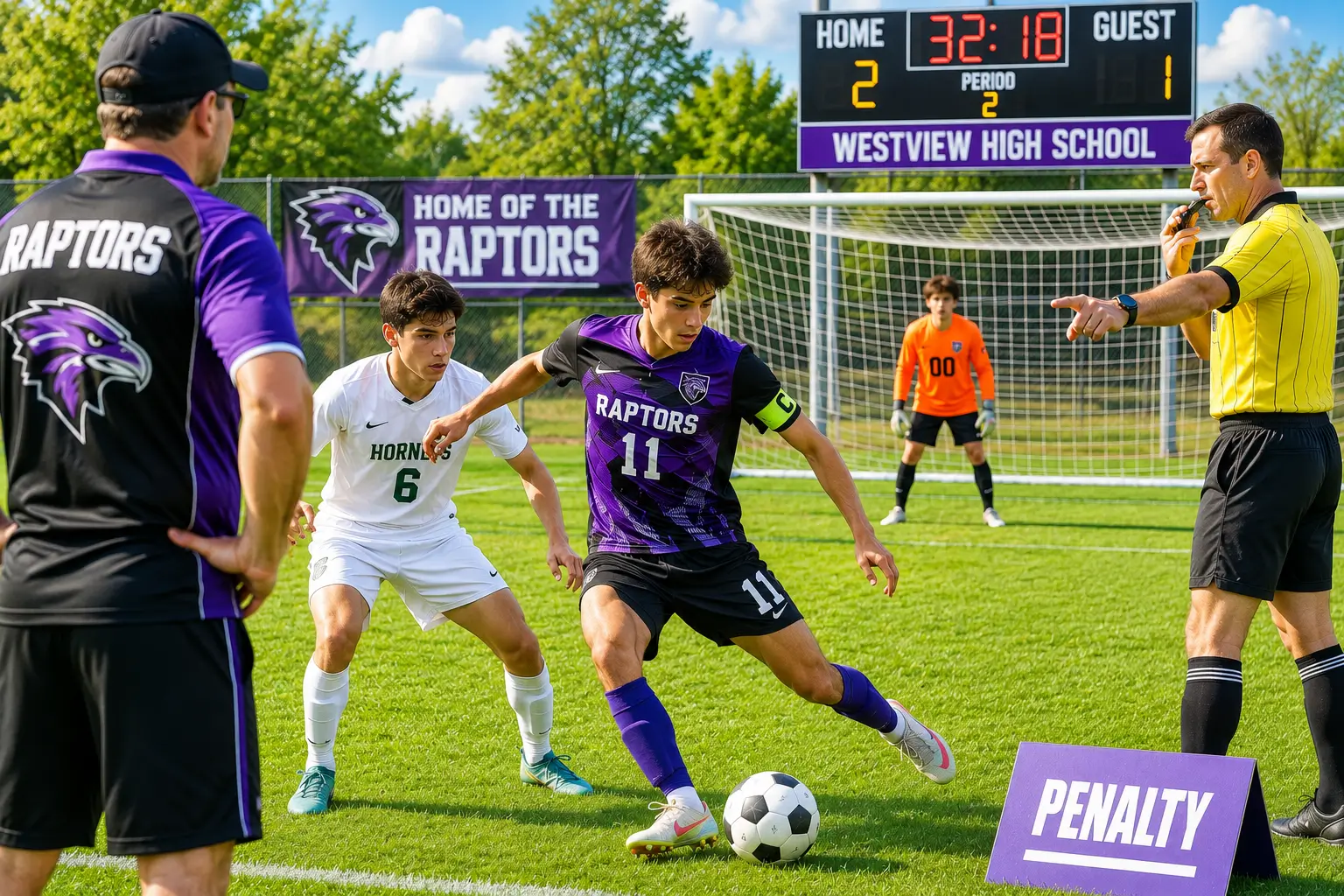
Soccer jerseys are among the most versatile sports jerseys because they are lightweight, comfortable, and easy to wear casually. They are used by youth teams, school teams, clubs, adult leagues, indoor soccer teams, tournament teams, and fans. Soccer jerseys usually focus on breathable performance fabrics, clean sponsor placement, player numbers, team crests, and sometimes matching shorts and socks. Because soccer is played outdoors and often in all kinds of crazy weather conditions and temperatures, moisture-wicking fabric is often a priority.
For organizations ordering custom soccer jerseys, the full kit matters. Jerseys, shorts, socks, goalkeeper jerseys, warm-ups, and fan sportswear related apparel may all need to work together visually.
The 5 Qualities that Make for a Good Team Jersey?
A good jersey is not judged by appearance alone. It needs to perform for the people wearing it. That means different buyers may need different jersey features. A fan buying one jersey may care most about the athlete, team colors, and how it looks with casual clothing. A coach ordering bulk team jerseys has a different problem. The coach needs sizing, durability, numbers, player names, delivery timing, and a design that works for the whole roster.
-
Comfort – I care less about how any clothing looks than I am about how it fits. If it don’t fit or if it just isn’t comfortable, I just won’t wear it. The key to it all starts with with the fabric. A jersey should not feel heavy, scratchy, stiff, or restrictive. Athletes need to move freely, while fans usually want something that feels comfortable for several hours of wear.
Different materials have different characteristics that affect how a jersey feels when you wear it. Lightweight polyester is commonly used because it has a smooth texture and doesn’t add unnecessary weight. Mesh fabrics improve airflow, while moisture-wicking performance fabrics help keep the material from feeling damp during activity.
Some jerseys also include stretch fibers that allow the fabric to move more naturally with your body. The right combination of fabric type, weight, texture, and flexibility has a significant impact on overall comfort, whether the jersey is intended for competition or everyday wear.
-
Breathability – Sports jerseys are often made from polyester or performance fabric because these materials can be lightweight and moisture-wicking. This is especially important for soccer, basketball, training, summer tournaments, and indoor sports.
-
Durability – Jerseys need to handle repeated washing. They may also face sweat, contact, equipment friction, outdoor weather, and rough use. The design should not crack, peel, or fade quickly.
-
Clear Numbers and Names – Numbers need to be readable from a distance. This is important for referees, scorekeepers, coaches, players, and spectators. The font should match the sport and still be practical.
-
Team Identity – Colors, logos, striping, patterns, and sponsor placement should look intentional. A strong custom team jersey should make the team look organized before the game starts.
Custom Team Jerseys: 7 Items Teams Should Consider
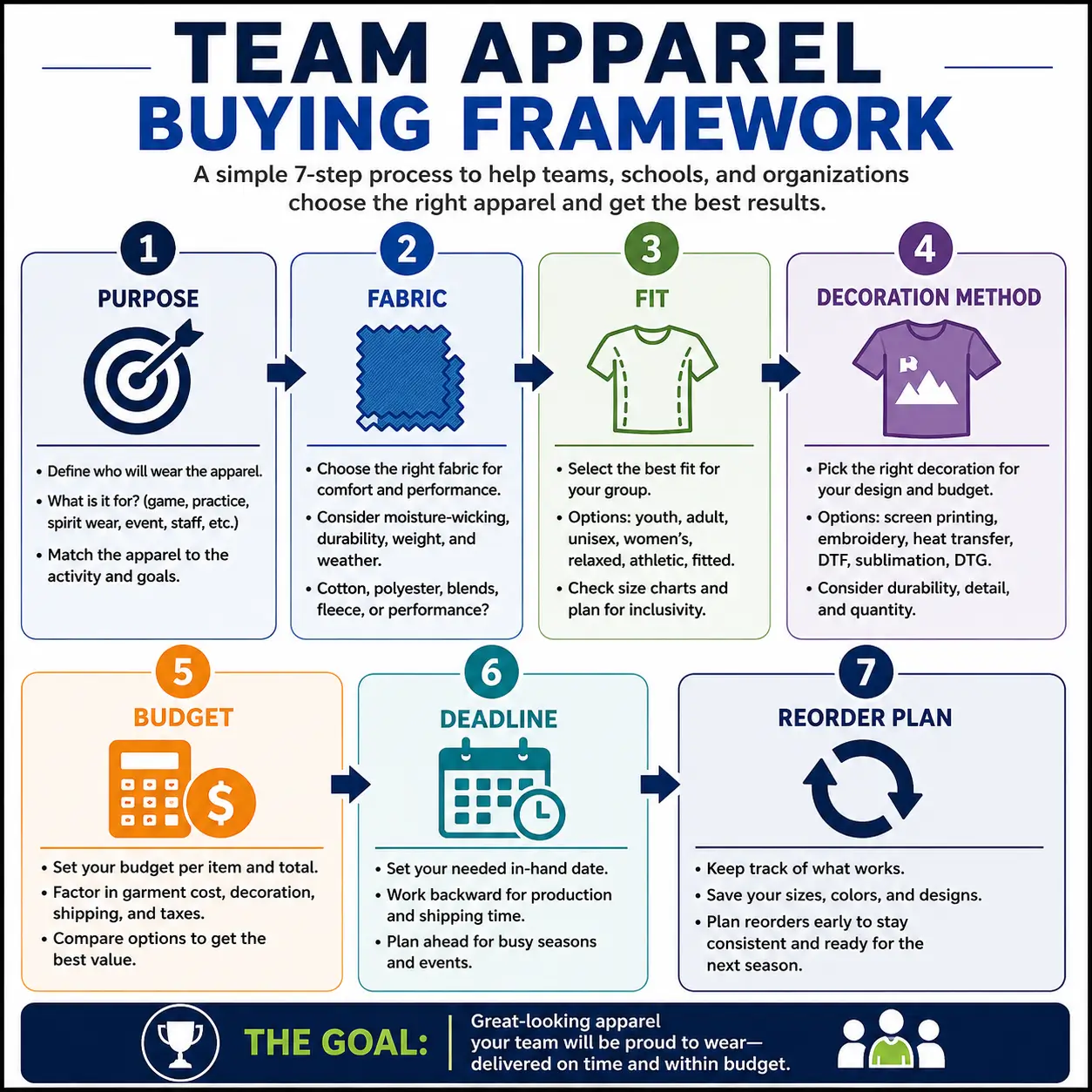 Custom team jerseys are different from buying jerseys made for fans. A team order has more moving parts. Before placing an order, the organizer needs to collect accurate information and make decisions that affect the whole group.
- Purpose – Start with how the jersey will be used. A game jersey, practice jersey, tournament jersey, fan jersey, and fundraiser jersey may not need the same fabric or decoration method.A youth soccer team may need lightweight performance jerseys.A school spirit wear fundraiser may need affordable replica-style jerseys. A hockey team may need heavier jerseys that fit over equipment.A company softball team may need a simple baseball-style jersey that looks good in photos.
- Fabric – Polyester is common for performance jerseys because it is lightweight and works well with many sports.Mesh panels, moisture-wicking fabric, stretch fabric, and sublimated polyester are also common depending on the sport.Cotton is generally not the best choice for true game jerseys, but it may work for casual fan apparel, jersey-style T-shirts, or low-cost event shirts.
- Fit – Fit affects comfort and appearance. Some jerseys are meant to fit loosely. Others should be more athletic. Youth sizes, adult sizes, extended sizes, and gender-specific options may all matter depending on the group.Teams should avoid guessing sizes whenever possible. A size chart, sample garment, or simple size collection form can prevent many problems.
- Decoration Method – The right decoration method depends on the design, fabric, sport, order size, and budget. Common methods include sublimation, screen printing, heat transfer, DTF printing, and embroidery.Sublimation is often used for full-color sports jerseys because the design becomes part of the polyester fabric. Heat transfer can work well for names, numbers, and smaller orders. Screen printing can work for simpler designs, especially on larger quantities. Embroidery is usually better for polos, jackets, hats, and premium apparel than for lightweight game jerseys.
- Budget – Budget should be matched to the purpose of the jersey. A team playing a full season may need better quality than a one-day event. A fan store may benefit from a higher-quality item if supporters are expected to buy and wear it often.
- Deadline – Custom jerseys should not be ordered at the last minute. Artwork approval, roster changes, sizing, production, shipping, and sorting all take time. Teams should build in extra room for corrections and delays.
- Reorder Plan – Many teams forget about reorders. A new player may join late. A jersey may be damaged. A parent may want a fan version. A school may want the same design next season. Before approving the order, ask whether the design can be reordered later and whether minimum quantities apply.
The 5 Common Types of Fabrics Used in Sports Jerseys
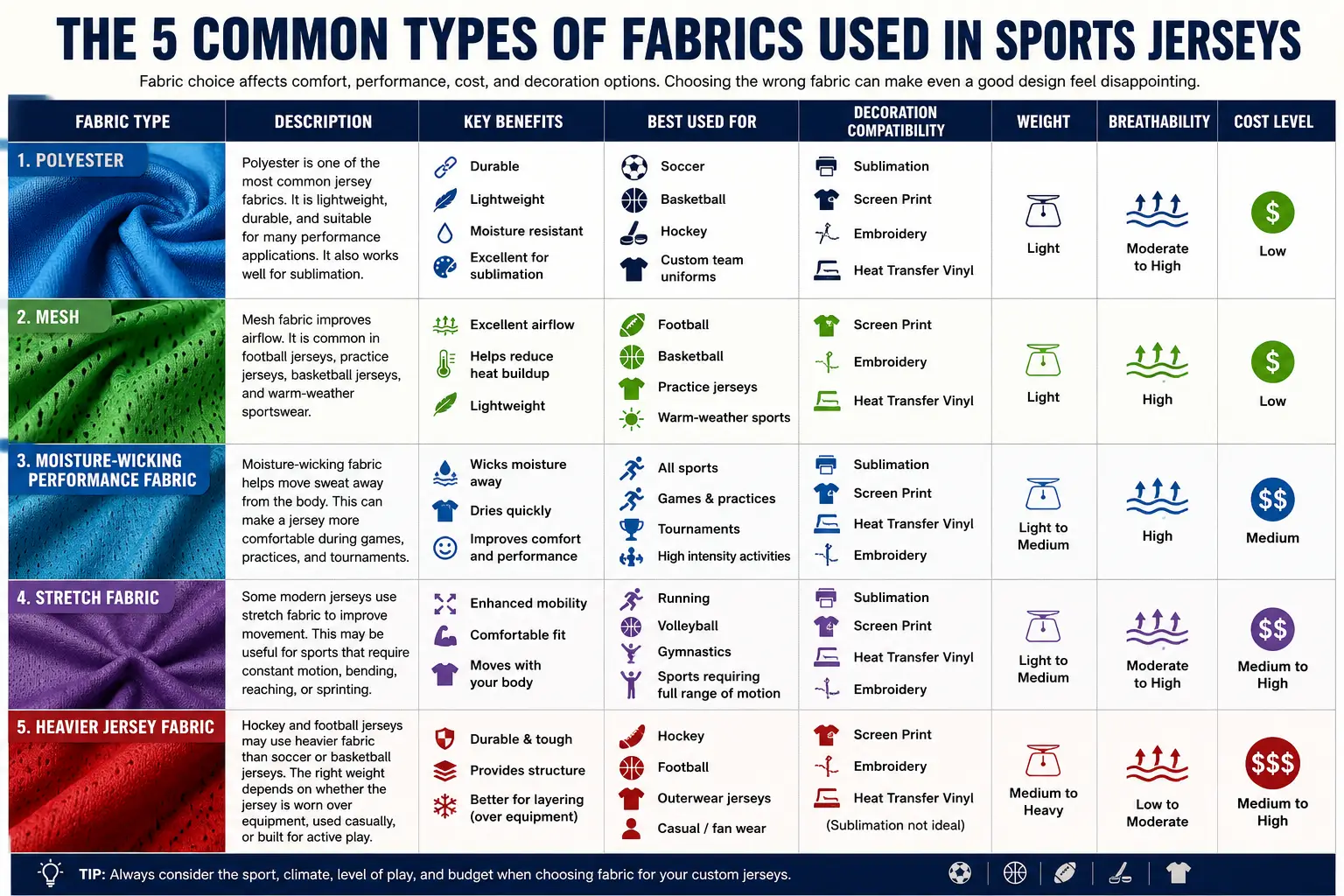
Fabric choice affects comfort, performance, cost, and decoration options. Choosing the wrong fabric can make even a good design feel disappointing.
- Polyester – Polyester is one of the most common jersey fabrics. It is lightweight, durable, and suitable for many performance applications. It also works well for sublimation, which makes it popular for soccer jerseys, basketball jerseys, hockey jerseys, and other custom team uniforms.
- Mesh – Mesh fabric improves airflow. It is common in football jerseys, practice jerseys, basketball jerseys, and warm-weather sportswear. Mesh can help reduce heat buildup, especially during intense activity.
- Moisture-Wicking Performance Fabric – Moisture-wicking fabric helps move sweat away from the body. This can make a jersey more comfortable during games, practices, and tournaments.
- Stretch Fabric – Some modern jerseys use stretch fabric to improve movement. This may be useful for sports that require constant motion, bending, reaching, or sprinting.
- Heavier Jersey Fabric – Hockey and football jerseys may use heavier fabric than soccer or basketball jerseys. The right weight depends on whether the jersey is worn over equipment, used casually, or built for active play.
Jersey Printing and 5 Different Decoration Methods
Jersey decoration can affect durability, comfort, appearance, and cost. The best method depends on what the jersey is supposed to do.
- Sublimation – Sublimation is popular for custom sports jerseys because it allows detailed full-color designs on polyester fabric. The design is infused into the fabric rather than sitting heavily on top of it. This helps keep the jersey lightweight and breathable. Sublimation is often a strong choice for soccer jerseys, basketball jerseys, hockey jerseys, esports jerseys, and full uniform sets with patterns, gradients, or multiple colors.
- Screen Printing – Screen printing can work well for simpler designs and larger quantities. It is often used for team shirts, practice gear, fan apparel, and some jersey-style garments. For complex names, numbers, and multi-color full jersey designs, another method may be more practical.
- Heat Transfer – Heat transfer is commonly used for player names and numbers. It can be useful for small teams, late additions, short runs, and personalization. The quality depends on the material, application, fabric, and care instructions.
- DTF Printing – DTF Printing can be useful for detailed designs and flexible order sizes. It is often considered when teams need colorful designs without the same setup requirements as traditional screen printing.
- Embroidery – Embroidery is not usually the first choice for lightweight performance jerseys, but it works well for coach polos, jackets, hats, bags, staff apparel, and premium team gear.
7 Great Tips for Ordering Sports Jerseys for Your Team
Ordering jerseys is easier when the process is organized before the design is finalized. Most problems happen because teams rush, guess sizes, approve artwork too quickly, or forget about late roster changes.
- Confirm the Roster First – Start with a complete player list. Include names, numbers, sizes, and any special notes. If names will be printed on the jerseys, check spelling carefully.
- Choose Numbers Early – Duplicate numbers can create problems. Coaches and managers should approve numbers before the order is submitted.
- Use a Size Chart – A size chart helps reduce guessing. For youth teams, parents should be given clear instructions. If possible, allow athletes to try on a sample size before ordering.
- Approve Artwork Carefully – Check logo placement, colors, spelling, number style, sponsor names, and back design before approval. Once production starts, changes may not be possible.
- Order Early – Jerseys should be ordered well before the first game, tournament, or event. Build in extra time for design revisions, shipping, sorting, and late corrections.
- Plan for Extras – If the budget allows, order a few extra jerseys in common sizes. This can help when a new player joins, a jersey is damaged, or a size mistake happens.
- Keep the Design File – Save the approved artwork and order details. This makes future reorders easier and helps keep team branding consistent.
School and Youth Team Jerseys
School and youth team jerseys need special planning because the size range can be wide. A single order may include young children, teenagers, coaches, assistants, and parent volunteers. For schools, consistency is important. Jerseys should match school colors and avoid design choices that conflict with other team apparel. If multiple teams are ordering in the same year, a shared design system can help reduce confusion. Youth teams should also consider comfort and easy care. Parents appreciate jerseys that wash well, dry quickly, and do not require special handling.
Fan Jerseys and Spirit Wear
Not every jersey is used on the field. Fan jerseys and spirit wear can be useful for schools, booster clubs, clubs, tournaments, and community teams. A fan jersey may not need the same performance construction as a game jersey. It may be more important for it to look good, fit comfortably, and be priced appropriately for supporters. This is where team stores and fundraising apparel can become valuable.
A school, club, or organization can offer fan jerseys, hoodies, T-shirts, hats, and warmups that match the team identity. The best spirit wear designs are easy to recognize and easy to wear. They should not be over-complicated. A clean logo, strong colors, and simple design often work better than a cluttered layout.
Current Trends in Sports Jerseys
Sports jerseys continue to change as teams, fans, and organizations look for better comfort, better design, and more customization.
- Retro Designs – Retro jerseys remain popular because they connect modern fans with team history. Stripes, classic fonts, old logos, and vintage color combinations can all make a jersey feel more meaningful.
- Lightweight Performance Materials – Teams increasingly want jerseys that feel light, breathable, and comfortable during play. This is especially important for soccer, basketball, volleyball, and warm-weather sports.
- Full Custom Designs – More teams want jerseys that look unique instead of basic. Sublimation makes it easier to create custom patterns, gradients, sleeve designs, and full uniform sets.
- Matching Team Apparel – Jerseys are often only one part of the full apparel package. Teams may also want warmups, hoodies, polos, bags, hats, and fan gear that match the same identity.
- Online Team Stores – Online team stores can reduce the burden on coaches and volunteers. Instead of collecting every order manually, families and supporters can order directly during a set ordering window.
Top 10 Custom Jersey Mistakes People Should Avoid
Most jersey problems are preventable. Teams can avoid frustration by watching for these common mistakes:
- Ordering too close to the first game or tournament
- Guessing sizes instead of using a size chart
- Forgetting youth sizes or extended sizes
- Approving artwork without checking spelling and numbers
- Choosing the cheapest fabric for heavy use
- Using colors that do not match the school or team identity
- Not asking about reorders
- Ignoring care instructions
- Choosing a decoration method that does not fit the jersey fabric
- Not ordering extras for late roster changes
FAQs About Sports Jerseys
What are the most popular sports jerseys in North America?
The most popular sports jerseys in North America are commonly connected to football, baseball, basketball, hockey, and soccer. Popularity varies by region, league, season, team success, and player recognition.
What is the best fabric for custom team jerseys?
Polyester performance fabric is one of the most common choices for custom team jerseys because it is lightweight, durable, and suitable for moisture-wicking sportswear. The best fabric depends on the sport and how the jersey will be used.
Are sublimated jerseys better?
Sublimated jerseys are often a strong choice for full-color custom designs because the design becomes part of the polyester fabric. This can help keep the jersey lightweight and reduce cracking or peeling.
What is the difference between a fan jersey and a team jersey?
A fan jersey is usually designed for casual wear and support. A team jersey is designed for players and may need better performance fabric, clear numbers, league-approved colors, and sport-specific fit.
How early should a team order custom jerseys?
Teams should order as early as possible, especially before a season or tournament. Time is needed for sizing, design approval, production, shipping, sorting, and possible corrections.
Should teams order extra jerseys?
Yes, if the budget allows. Extra jerseys can help with late player additions, damaged jerseys, size mistakes, or future replacement needs.
Can custom jerseys be used for fundraising?
Yes. Fan jerseys and replica-style team jerseys can work well as spirit wear or fundraising apparel, especially for schools, clubs, booster groups, and community teams.
What should be included on a custom jersey?
Common jersey elements include the team name, logo, player number, player name, sponsor name, school name, sleeve detail, and team colors. The design should stay readable and not become too crowded.
Final Thoughts
Sports jerseys remain popular because they combine identity, performance, loyalty, and design. Football, hockey, baseball, basketball, and soccer jerseys each have their own look, but they all serve the same basic purpose: they help people feel connected to a team. For fans, a jersey is a way to show support. For athletes, it is part of the uniform. For schools, clubs, coaches, and organizations, it can also be part of a larger apparel system that includes team uniforms, warmups, spirit wear, fundraising apparel, and fan gear.
If you are ordering custom sports jerseys, start with the purpose of the order. Then choose the right fabric, fit, decoration method, budget, timeline, and reorder plan. A well-planned jersey order looks better, lasts longer, and creates fewer problems for everyone involved. The best jersey is not always the most expensive one. It is the one that fits the team, the sport, the season, and the people who will actually wear it.